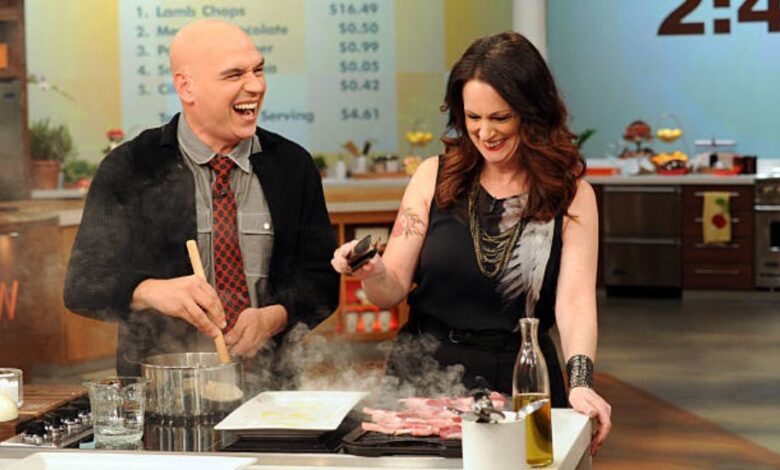
Michael Symon, the beloved celebrity chef and TV personality, has long been admired not only for his culinary creativity but also for his warm, approachable nature. Best known from shows like Iron Chef America, The Chew, and BBQ USA, Symon has carved a permanent spot in American food culture. Alongside his professional success, fans have also been deeply curious about his personal life — especially his long marriage to Liz Shanahan.
In recent years, a wave of internet rumors and blog posts have circulated about a supposed “Michael Symon wife accident.” Many readers stumble across this phrase and wonder if something tragic has happened to Liz. In this article, we’ll carefully explore what is fact, what is speculation, and what readers truly need to know. We’ll also look deeper into Michael Symon’s family, children, grandchildren, his wife Liz’s background, and his overall net worth.
Who is Liz Shanahan?
Liz Shanahan, often referred to as Liz Symon, is Michael’s wife and longtime business partner. Their love story began back in 1990, when Michael was a young chef in Cleveland and Liz was running front-of-house operations in a restaurant. The two quickly developed not only a romantic connection but also a professional bond built on shared passion for hospitality.
By the time they married on November 1, 1998, Michael’s career was blossoming, and Liz was firmly by his side. Unlike many celebrity spouses, Liz has tended to stay behind the scenes. She is not often in the spotlight but has been an integral part of the success of Symon’s restaurant group. Whether managing teams, curating wine lists, or helping open new venues, Liz has been the steady support to her husband’s whirlwind television career.
The “Wife Accident” Rumors
The phrase “Michael Symon wife accident” often appears in search engines, blogs, and even social media discussions. But here’s the reality: there is no credible evidence or reporting that Liz Shanahan was involved in a major accident.
Many blogs and gossip-style websites have rehashed this story, often without citations or clear sources. The rumor seems to have spread as part of a wave of celebrity accident hoaxes that frequently target the partners or children of famous personalities. While such headlines may generate clicks, they cause confusion and distress for fans.
Some versions of the story describe Liz suffering injuries in a “serious car accident” and “recovering from trauma,” but these details are unsupported by reputable news outlets. Mainstream publications that cover Symon’s life, such as People or Cleveland.com, make no mention of such an event.
Verdict: The “wife accident” story is best understood as misinformation. Readers looking for updates should be aware that Liz Shanahan has not been reported as injured or in an accident. If new, verified information emerges in the future, it will almost certainly appear in major outlets before smaller blogs.
Why Do Such Rumors Spread?
Celebrity culture thrives on speculation. Search engines pick up unusual queries like “Michael Symon wife accident,” and blogs compete to rank highly by repeating them. Over time, this repetition creates a false sense of confirmation, even though the original story has no factual basis.
In Michael Symon’s case, the fascination with his wife is natural. Fans know Symon as a high-energy, joyful personality on screen, and they often want to know more about the family that supports him behind the scenes. This curiosity sometimes gets twisted into rumor cycles.
Michael Symon’s Family Life
While Michael has no biological children of his own, he is a devoted stepfather to Kyle, Liz’s son from a previous relationship. Michael has always embraced Kyle as his own, raising him with love and often referring to him as “his son” in interviews.
Kyle has gone on to build a successful life himself. He is the owner of Grindstone Coffee & Donuts, a popular café in Sag Harbor, New York. The business has become well-known in the Hamptons for its artisanal donuts and coffee, often drawing food lovers from around the area.
Michael is also a proud grandfather. Kyle’s children — Emerson (“Emmy”) and Butch — frequently appear in Michael’s social media posts. Symon has often joked about spoiling them with food and love, bringing the same warmth to family that he does to his television career.

Clarifying the “Daughter” Misunderstanding
Search terms like “Michael Symon daughter” are common, but in truth, Michael does not have a daughter. The confusion comes from his granddaughter Emerson, who is sometimes misreported as his “daughter.” In reality, Emerson is Kyle’s daughter, making Michael a very enthusiastic grandfather.
Liz Shanahan’s Role in Michael’s Career
It’s impossible to talk about Symon’s journey without acknowledging Liz’s role. For decades, Liz has worked side by side with Michael, contributing to the success of their restaurants.
Together, they’ve been involved in ventures like Lola, their Cleveland restaurant that gained national acclaim, as well as Mabel’s BBQ, which showcases Symon’s love for barbecue culture. While Michael brings the culinary vision, Liz ensures that operations run smoothly.
Friends and colleagues often describe Liz as the balancing force in Michael’s life — calm, thoughtful, and deeply business-savvy. Their nearly three-decade marriage is often cited as one of the strongest in the celebrity chef world.
Michael Symon’s Net Worth
Fans often wonder how much the Iron Chef has accumulated after years of TV shows, books, and restaurants. While exact numbers are not publicly disclosed, estimates put Michael Symon’s net worth between $6 million and $15 million.
This range reflects multiple income streams:
-
Television Appearances: As a Food Network and Cooking Channel star, plus co-hosting The Chew.
-
Restaurants: Ownership and partnerships across Cleveland and beyond.
-
Cookbooks: Symon has authored several best-selling cookbooks, often in collaboration with Liz.
-
Endorsements and Guest Appearances: Brand partnerships and guest judging roles also contribute.
While net worth figures should be taken with caution, it is clear that Symon has built not only a respected career but also financial security.
Michael Symon’s Public Persona
Part of what makes Michael Symon so admired is his openness with fans. He frequently shares glimpses of his personal life on social media, including moments with Liz, Kyle, and his grandchildren. His posts reflect a man who values family just as much as career success.
Unlike some celebrities who keep their private lives completely hidden, Symon has found a middle ground: letting fans in on happy moments while keeping serious family matters private. This balance may also explain why rumors like the “wife accident” catch on so quickly — fans are curious, but the Symons are selective about what they share.
Lessons from the Rumor
The spread of the “Michael Symon wife accident” hoax offers a broader lesson about online media. Readers should always check whether a story is reported by reputable outlets before believing or sharing it. Celebrity rumors can spread fast, but they often collapse under scrutiny.
For Michael and Liz, the best response has been silence — choosing to live their lives together without feeding into misinformation. Their strong marriage, enduring business partnership, and close-knit family are what truly define their story, not false rumors.
Conclusion
Michael Symon and his wife Liz Shanahan represent a rare example of a celebrity couple who have navigated fame without losing their authenticity. Despite misleading rumors about a supposed “wife accident,” the truth is clear: Liz remains Michael’s partner in life and business, healthy and steadfast.
As fans, it’s important to focus not on viral gossip but on the genuine story — a story of love, food, family, and decades of dedication. Michael Symon’s legacy will always be rooted in both his culinary achievements and the personal relationships that keep him grounded.
For more insightful articles on celebrity stories, entertainment updates, and lifestyle features, visit Blog Loom.