Finding the right mattress can transform your sleep quality and overall well-being. With various materials available, each offering unique benefits, it’s essential to understand what makes them distinct. This guide aims to simplify the world of mattress materials, helping you make an informed decision that accommodates your individual sleep needs and preferences. Different mattress materials can greatly affect comfort levels, durability, and even your health.
From classic innerspring to modern memory foam and eco-friendly options, the options are abundant. It’s crucial to evaluate factors such as support, firmness, and temperature regulation when choosing a mattress. Additionally, knowing your sleeping position can influence your selection, as certain materials provide better support for specific postures.
For a diverse selection of quality mattress options, check out MattressNextDay mattresses, where you can explore different materials that cater to various sleep needs.
1. Innerspring Mattresses
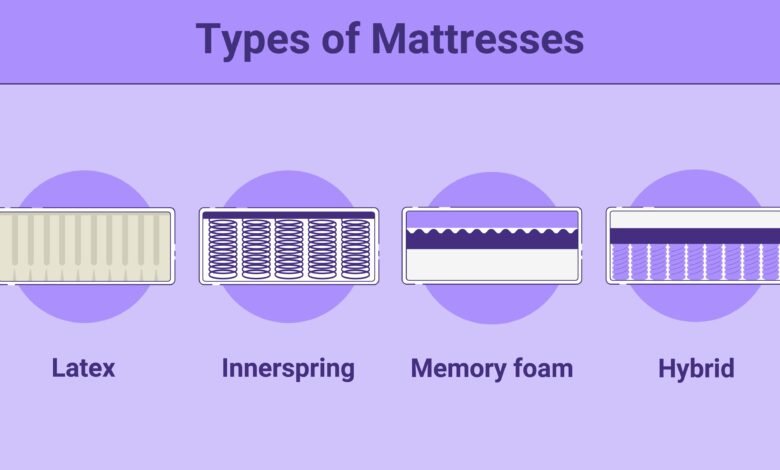
Innerspring mattresses are among the oldest and most commonly used mattress types. These mattresses primarily consist of a network of steel coils that provide support and structure. The quality and design of these coils dictate the comfort level; for example, pocket-sprung systems allow individual springs to move independently, providing tailored support. Innerspring mattresses typically feature various layers of padding, which may include memory foam or cotton to enhance comfort.
One of the advantages of innerspring mattresses is their breathability, making them a suitable option for hot sleepers. However, they might not offer the same degree of pressure relief as foam alternatives. Those who sleep on their side may find that innerspring mattresses do not conform to their body as much as they would like, potentially causing discomfort. Overall, innerspring mattresses are often a cost-effective choice, available in a wide range of prices and styles.
2. Memory Foam Mattresses
Memory foam mattresses have surged in popularity due to their excellent comfort and support. Made from viscoelastic foam, they are designed to contour your body, providing personalized support and pressure relief. This feature makes memory foam an excellent option for people with chronic pain or discomfort. When you lie down, the foam responds to your body heat, becoming softer and accommodating your shape.
Many manufacturers now offer gel-infused memory foam, which helps dissipate heat and keep you cool throughout the night. While memory foam offers substantial advantages in terms of pressure relief and motion isolation, some find them difficult to move on due to their slow recovery time. Make sure to test different levels of firmness, as memory foam mattresses come in soft, medium, and firm options. This variety ensures that there’s a perfect fit for every sleeper preference.
3. Latex Mattresses
Latex mattresses are praised for their responsiveness and durability. Made from natural or synthetic latex, these mattresses offer a buoyant feeling while providing adequate support. Natural latex is derived from rubber trees and is often preferred for its eco-friendliness and hypoallergenic properties, making it an excellent choice for allergy sufferers.
Latex mattresses come in two primary types: Dunlop and Talalay. Dunlop latex is denser and firmer, while Talalay latex is lighter and softer. Both types are highly breathable, keeping you cool during the night. They also tend to provide consistent support across the entire sleep surface. If you prefer a mattress that allows for easy movement, latex could be a particularly good option. While these mattresses typically come with a higher price tag, their longevity and minimal maintenance requirements make them a worthy investment.
4. Hybrid Mattresses
Hybrid mattresses combine the benefits of innerspring and foam mattresses, providing a balanced mix of support and comfort. These mattresses usually feature a core of coils surrounded by layers of foam, which may include memory foam or latex. This combination aims to provide the best of both worlds, allowing for exceptional support while maintaining comfort and contouring capabilities.
Hybrid mattresses are versatile, accommodating various sleep positions. They often offer good edge support, making them suitable for couples who might share a bed. This mattress type also tends to have better airflow than all-foam options, making them an excellent choice for hot sleepers. However, the quality of materials can vary significantly, so it’s crucial to choose a hybrid mattress that utilizes high-quality components to ensure you receive both durability and comfort.
5. Cooling Gel Mattresses
Cooling gel mattresses are designed specifically for hot sleepers or anyone who experiences night sweats. These mattresses often feature a layer of gel-infused memory foam or a separate cooling gel layer that actively dissipates heat and regulates temperature. By providing a cool sleeping surface, these mattresses help improve overall sleep quality and comfort.
The gel layers work by absorbing excess body heat and maintaining a stable temperature throughout the night. While they offer the contouring benefits of memory foam, they do so without the typical heat retention problems. When selecting a cooling gel mattress, consider the thickness of the gel layer and the quality of the memory foam used. A good balance between support and cooling properties ensures that you remain comfortable, regardless of the season.
6. Pillow-Top Mattresses
Pillow-top mattresses feature an additional layer of cushioning sewn onto the top of the mattress. This layer is usually made from foam, fibers, or even a combination of materials designed for added softness. The primary advantage of a pillow-top mattress is the luxurious comfort it offers, making it an excellent choice for those who prefer a plush sleeping surface.
These mattresses often come in various firmness options, allowing them to cater to different preference levels. However, while they provide exceptional comfort, they may also trap heat more than other types. It’s essential to consider this if you’re prone to overheating during sleep. When looking at pillow-top options, ensure you balance the plush top with suitable underlying support to prevent sagging over time.
7. Organic Mattresses
Organic mattresses are becoming increasingly popular among environmentally conscious consumers. Made from natural materials like organic cotton, wool, and natural latex, these mattresses avoid harmful chemicals and synthetic materials. Organic mattresses are typically hypoallergenic, making them a great choice for allergy sufferers.
When selecting an organic mattress, look for certifications that verify the materials and manufacturing processes. While these mattresses generally come at a higher initial cost, their sustainability and minimal environmental impact often appeal to many buyers. Additionally, organic mattresses tend to be more durable and resistant to allergens, providing not only comfort but also peace of mind regarding your health and the environment.
8. Air Mattresses
Air mattresses are designed for versatility and convenience. They consist of inflatable chambers that can be adjusted to the preferred firmness level, making them an excellent choice for varying comfort preferences. Although commonly associated with temporary sleeping arrangements, air mattresses have evolved to include high-quality models intended for regular use.
Some high-end air mattresses incorporate features such as built-in pumps for easy adjustment, customizable support zones, and materials that reduce motion transfer. While they are not as durable as traditional mattresses, advancements in technology have improved their comfort and support significantly. Air mattresses are exceptional for guests, travel, or even everyday use for those who prefer a customizable sleeping experience.
9. Bunkie Boards
Bunkie boards are thinner than traditional foundations and are often used for supporting lightweight mattresses, especially on bunk beds or daybeds. Made from wood or other sturdy materials, they provide a flat, stable surface that helps prolong the life of your mattress.
These boards can enhance support for foam mattresses, preventing sagging and improving comfort. If you’re using a mattress on a slatted bed frame, consider adding a bunkie board to boost support and comfort levels significantly. While they might not be the main focus when choosing a mattress, bunkie boards serve an important role in the overall mattress foundation system.
10. Kids’ Mattresses
Kids’ mattresses are specifically designed to cater to children’s unique sleep needs. They are often made from non-toxic, hypoallergenic materials that ensure a safe sleeping environment. These mattresses typically come in smaller sizes, suitable for cots, toddler beds, or twin beds, and are built to withstand wear from active use.
When selecting a mattress for children, consider firmness levels. A medium-firm mattress is usually recommended to provide adequate support for developing bodies. Additionally, some kids’ mattresses come in fun designs or colors, making bedtime an enjoyable experience. Durability and ease of cleaning are also important factors, given that accidents are more common in younger sleepers.
Choosing the Right Mattress Material
When selecting a mattress, consider your sleep style, comfort preferences, and any specific health needs you may have. Testing the mattress in-store is beneficial, allowing you to assess how it feels while lying down. Take note of factors such as support, pressure relief, and temperature regulation. With a wide variety of MattressNextDay mattresses available, it’s important to explore your options thoroughly and choose wisely.
FAQs
What type of mattress is best for back pain?
Memory foam and latex mattresses are often recommended for back pain due to their excellent support and pressure relief.
How often should I replace my mattress?
Generally, a good mattress should be replaced every 7-10 years, but factors like wear and personal comfort can shorten this time frame.
Are organic mattresses worth the investment?
Yes, organic mattresses made from natural materials often provide better durability, comfort, and are better for your health.
Can I flip or rotate my mattress?
This depends on the mattress type. Innerspring and some hybrid mattresses should be rotated regularly, while many memory foam and latex mattresses are designed to be one-sided.
How do I choose the right firmness for my mattress?
Consider your sleep position: softer mattresses are generally better for side sleepers, while firmer options may be more suitable for back or stomach sleepers.
Conclusion
Understanding different mattress materials can significantly impact your sleep quality and health. With options ranging from traditional innerspring to innovative memory foam and eco-friendly organic materials, there’s a mattress suited for every preference. Knowing the advantages and disadvantages of each type allows you to make an informed decision that prioritizes your comfort, support, and overall well-being. When exploring various options, consider what aligns best with your sleeping habits and needs. Whether you’re searching for a plush pillow-top or a supportive latex mattress, investing in a good quality mattress can lead to restful nights and rejuvenated mornings.