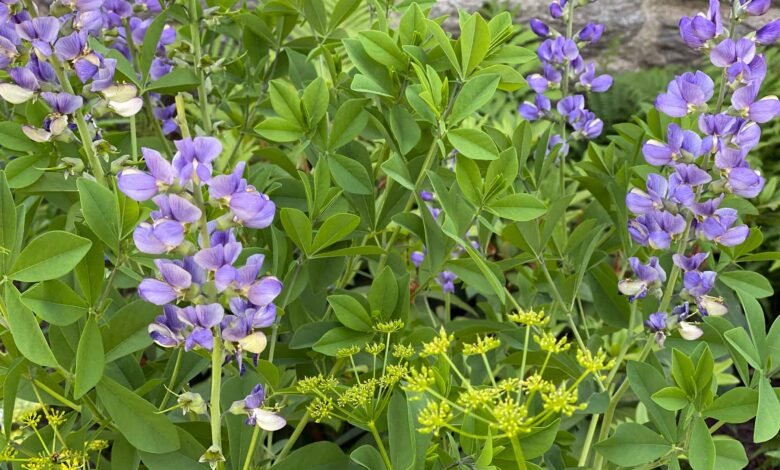
Creating a distinctive garden that reflects your style and harmonizes with the local environment can be a rewarding endeavor. Incorporating native plants is one of the best ways to achieve this. Native plants are species that thrive naturally in a specific region, requiring less water, fertilizer, and overall maintenance than non-native varieties. They are not only well-adapted to local soil and climate conditions, but they also attract local wildlife, such as birds and beneficial insects, enhancing biodiversity in your garden. Plus, using native plants can add a unique character and aesthetic appeal that often complements your outdoor space beautifully.
As you explore your options for enhancing your garden, you might consider shopping for plants that are native to your area. By selecting these species, you can create a vibrant and sustainable garden that flourishes with little effort.
Below are twelve native plants that bring distinct character and charm to any garden setting, turning your space into a vibrant display of local flora.
1. Kangaroo Paw (Anigozanthos)
Kangaroo Paw is an iconic native Australian plant that features striking tubular flowers resembling a kangaroo’s paw. Available in various colors, such as red, yellow, and green, this plant can add a pop of color to any garden. Its unique shape and resilience make it a favorite among gardeners.
Kangaroo Paw is heat-tolerant and drought-resistant, making it suitable for various Australian climates. It can be planted in garden beds, borders, or even as a feature plant. Additionally, its flowers attract native birds and pollinators, enriching your garden’s ecosystem.
2. Grevillea
Grevillea is a diverse genus with hundreds of species; each variety features distinctive foliage and flowers. They range from small shrubs to large trees, providing flexibility in design. Grevillea flowers are particularly popular among nectar-feeding birds, making them an excellent choice for wildlife gardens.
With their long flowering periods and various colors, these plants can bring vibrancy throughout the year. Their hardy nature means they can adapt well to different soil types, ensuring a flourishing garden in varying conditions.
3. Bottlebrush (Callistemon)
The Bottlebrush plant, named for its cylindrical flower spikes that resemble a bottle brush, is a staple in Australian gardens. This hardy plant can grow as a shrub or small tree, offering versatility.
The striking red, pink, or white flowers bloom profusely, attracting a range of birds and insects. Bottlebrush plants thrive in full sun and well-drained soil, making them ideal for both urban and country gardens. They can be easily pruned to maintain shape, ensuring they fit seamlessly into any garden layout.
4. Flannel Flower (Actinotus helianthi)
Flannel Flowers are known for their soft, velvety petals and star-like shape. These delicate yet hardy plants can add a touch of elegance to any landscape. Typically found in sandy soils, Flannel Flowers favor dry conditions, making them perfect for low-maintenance gardens. They bloom in white or cream during spring and are a favorite among butterflies and bees. Their unique texture and form can create visual interest and contrast, enhancing the overall character of your garden.
5. Wattle (Acacia)
Wattle is synonymous with Australia’s flora, known for its bright yellow blossoms that appear in clusters. Acacia species are diverse, ranging from sprawling shrubs to tall trees. These plants are nitrogen-fixing, improving soil health while providing shelter and food for native wildlife. They are particularly resilient and can thrive in various climates. Incorporating Wattle in your garden not only adds color and texture but also contributes to the health of your garden ecosystem, making it a win-win choice.
6. Waratah (Telopea speciosissima)
The Waratah is a stunning flowering plant with vibrant red blooms that are hard to miss. It is the floral emblem of New South Wales and is considered one of Australia’s most spectacular native plants. Waratahs prefer well-drained soil and can be somewhat sensitive to over-watering, making them a bit more challenging to grow.
However, their impressive flowers and unique visual appeal make them worth the effort. They can serve as a focal point in your garden, attracting native birds and enhancing the landscape’s beauty.
7. Sundew (Drosera)
Sundews are carnivorous plants known for their unique ability to catch insects. With glandular hairs that secrete a sticky substance, these plants can thrive in nutrient-poor soils. While they may not be the first choice for traditional gardens, incorporating Sundews can add an intriguing element to your landscape.
They flourish in moist environments and can be a conversation starter for visitors intrigued by their unusual feeding habits. Their delicate flowers can also add a unique charm to garden beds.
8. Native Orchid (Dendrobium)
Australian native orchids, particularly the Dendrobium genus, are prized for their exquisite beauty and rarity. These delicate plants can present a challenge to maintain but are well worth the effort for passionate gardeners. Native orchids typically require specific conditions and host plants, making them perfect for those who want to take on a rewarding gardening project. Their unique shapes and colors are sure to impress and provide a sophisticated flair to any garden setup.
9. Lomandra
Lomandra is a versatile native grass that thrives in various conditions. This tough plant is ideal for creating ground cover and can successfully suppress weeds while also providing habitat for wildlife. Lomandra varieties offer an array of textures and can be used in naturalistic gardens, formal designs, or even as an understory plant. They require little maintenance once established, making them an excellent choice for gardeners seeking durability combined with aesthetic appeal.
10. Bluebell Creeper (Billardiera scandens)
The Bluebell Creeper is a charming climbing plant adorned with bell-shaped flowers that shift from yellow to blue-green. When allowed to cascade over fences or trellises, it creates a beautiful focal point in any garden. This creeping plant encourages pollination through its nectar-rich flowers, attracting bees and other beneficial insects. As a hardy plant, the Bluebell Creeper can adapt to different soil types and is suitable for both formal and informal garden designs.
11. Kurrajong (Brachychiton populneus)
The Kurrajong is a beautiful tree recognized for its unique bell-shaped flowers and distinctive seed pods. It is drought-tolerant and provides excellent shade, making it a fantastic addition to any garden. The tree can grow up to 15 meters tall, making it suitable for larger spaces. Its flowering season attracts various birds and pollinators, enriching the garden’s biodiversity. Incorporating a Kurrajong into your landscape can provide both functional benefits and aesthetic appeal.
12. Native Fuchsia (Correa)
Native Fuchsia is an adaptable shrub that showcases attractive tubular flowers, often in shades of pink, red, or white. This plant thrives under various conditions and is particularly hardy, making it suitable for low-maintenance gardens. The flowers, which bloom throughout the year, attract birds and pollinators, adding life to your outdoor space. With its lush foliage and vibrant colors, the Native Fuchsia can serve as a beautiful border or accent plant in garden beds.
Frequently Asked Questions
- Why should I choose native plants for my garden?
Native plants are better adapted to local climates, require less maintenance, and provide habitat for local wildlife, enhancing biodiversity.
- How do I care for native plants?
Most native plants require minimal care. However, it’s essential to provide appropriate soil conditions, occasional watering during prolonged dry spells, and periodic pruning.
- Are native plants suitable for all garden styles?
Yes, native plants can be incorporated into various garden styles, from formal gardens to natural landscapes, creating unique aesthetics.
- How can I find native plants in my area?
You can start by visiting local nurseries that specialize in native species, checking online resources, or contacting local gardening clubs for recommendations.
- Do native plants attract pests?
While native plants attract beneficial insects, they are generally more resilient to pests and diseases compared to non-native species, maintaining a balanced ecosystem.
Conclusion
Incorporating native plants into your garden not only enhances its aesthetic appeal but also supports local wildlife and promotes biodiversity. The twelve native plants discussed offer various colors, textures, and features that can elevate your outdoor space while requiring less maintenance. From the vibrant flowers of Kangaroo Paw to the unique characteristics of native fuchsias, each plant adds character and sustainability to your garden.
As you consider your options, remember that native plants create a harmonious connection to the local landscape, making your garden a beautiful extension of nature. Whether you’re a seasoned gardener or a beginner, embracing native flora can lead to a thriving and vibrant garden that you can enjoy year-round.